Talibbhai Khanji [ P.Eng (Civil), MBA (PM), PMP® ] (Principal Construction Project Management Consultant / Strategic Project Leader)
Global Expert in Construction Management.
Zanzibar [Tanzania] / Vadodara [India]
20+
Years Experience
Up to 20%
Cost Savings
100%
Goal Focused
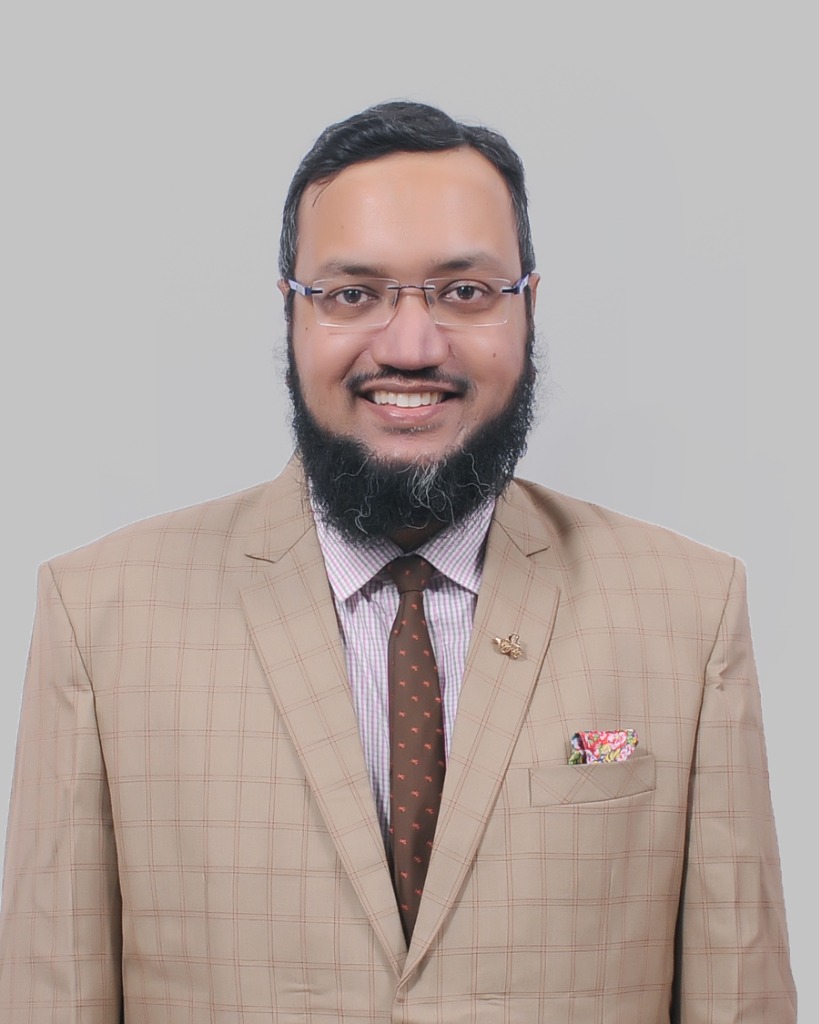
Talibbhai Khanji
Strategic Project Leader
Strategic Project Leader
I have the privilege of working with diverse clients across various sectors. My clients value my expertise and appreciate the collaborative and result-oriented approach I bring to every project. Proven Track record of Successful project completeion and Value delivery. I help Organizational and High Net Worth Individuals - Construction Project Owners, Investors, Developers, Contractors to complete their Projects On Time, With Desired Quality & Scope to Obtain Maximum ROI, Value, Hassle-Free Experience & Up to 20% Cost Savings across Africa!
Experienced Project Leader
20+ years in the construction industry, working on a wide range of projects in India, GCC and Africa.
Dedicated to Success
Passionate about delivering value. I believe in strong communication, collaboration, and a focus on quality.
Problem Solver
Skilled problem solver with a proven ability to identify and resolve issues quickly and effectively.
Professional Background
Extensive Experience
Civil Engineering background, MBA in Project Management, and PMP certified. Successfully led projects across Africa, GCC, and India for over 20 years.
Industry Expertise
Specializing in EPC Contracts, PMCs, and Real Estate Development.
Global Perspective
Work in diverse regions like Zanzibar, Tanzania, Zambia, Uganda, Kuwait, UAE, India has enriched my international understanding.
Flexible Engagement Models
We offer the following Complete Package (End to End) of Services OR Any One OR Combination of Any Services in accordance with the Budget and Customized Requirement of the Client through ONLINE / OFFLINE / HYBRID MODE.
Complete Management of Project
Starting from Requirement / Initiating / Design / Planning / Execution / Monitoring & Controlling / Change Management / Successful Completion.
Includes:
- • Single Point of Communication
- • Integrator of all Requirement, Design and Consultants
- • Hassle free Construction Experience
Partial Project Management
Only Management of specific areas as per client need.
Project Planning
Developing comprehensive project plans, managing schedules, budgets, and resources.
Risk Management
Identifying potential risks, developing mitigation strategies, and implementing proactive measures.
Quality Control
Ensuring adherence to project specifications and delivering high-quality results.
Construction Oversight
Providing on-site supervision, managing contractors, and ensuring project progress.
Cost Management
Controlling project budgets and expenses to maximize ROI.
Procurement Oversight
Managing vendor relationships and supply chain logistics.
Mode of Delivering Services
On-Site / Offline
In-person project management.
Online
Remote project management using online tools.
Hybrid Mode
Blended on-site and online collaboration.
Project Management Approach
Waterfall
Traditional, linear approach. Ideal for defined requirements.
- 1.RequirementsThoroughly define scope & objectives.
- 2.DesignDevelop detailed plans & blueprints.
- 3.ImplementationExecute plan meticulously.
- 4.VerificationRigorously test & validate deliverables.
- 5.ClosureFinalize & obtain client acceptance.
Hybrid Waterfall-Agile
Blends structure with iterative flexibility for complex builds.
- 1.InitiationDefine high-level requirements.
- 2.PlanningDetailed milestones & timelines.
- 3.Iterative SprintsSmall iterations for frequent reviews.
- 4.MonitoringActive tracking & risk management.
- 5.ClosureLessons learned & formal acceptance.
Portfolio of Undertaken Projects
Credentials & Affiliations
Project Management Professional (PMP®)
Certified by Project Management Institute (PMI - USA)
Registered Professional Civil Engineer
Engineers Registration Board (ERB) Tanzania & Zambia
Frequently Asked Questions
What Services are Offered?
We provide a complete package of services including project management, design, planning, execution, monitoring, controlling, change management, and successful completion. We also offer partial project management for specific areas like scope, schedule, cost, quality, and risk.
Can I Get Customized Solutions?
You can choose any combination of our services based on your budget and requirements. We offer flexible engagement models to suit your needs.
What is the Collaborative Approach?
We can work with architects and consultants appointed by you, or with our own team, as per your preference.
Who Can Benefit from Our Services?
Our services are available to business groups, contractors, real estate developers, HNIs, and other value-oriented clients.
Connect with Me Now
Calling / WA
+91 85307 81153 (India)
+255 695 964 527 (Zanzibar)